Tell us about the job
Takes about a minute. No obligation.
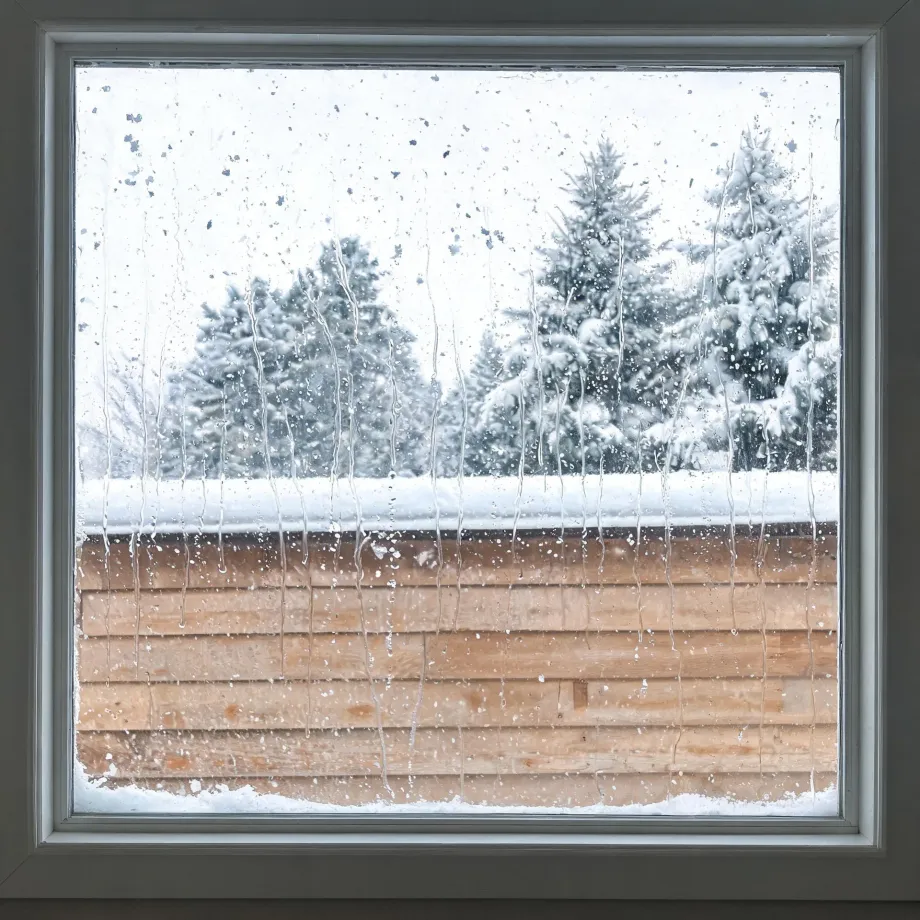
Sizing a boiler for a Wallowa County home is not a step a contractor can estimate by eye. Homes in Wallowa County, OR run heat about ten months a year, from September through June. The burner, heat exchanger, and ignition system carry that load without a long summer rest to mask early wear, so a unit that is undersized or installed with sloppy pipe work will degrade faster than the same equipment would in a place with a short heating demand. Contractors working here run a full load calculation before they quote, because the output figure drives every choice that follows: boiler capacity, expansion tank sizing, and where the zone valves go.
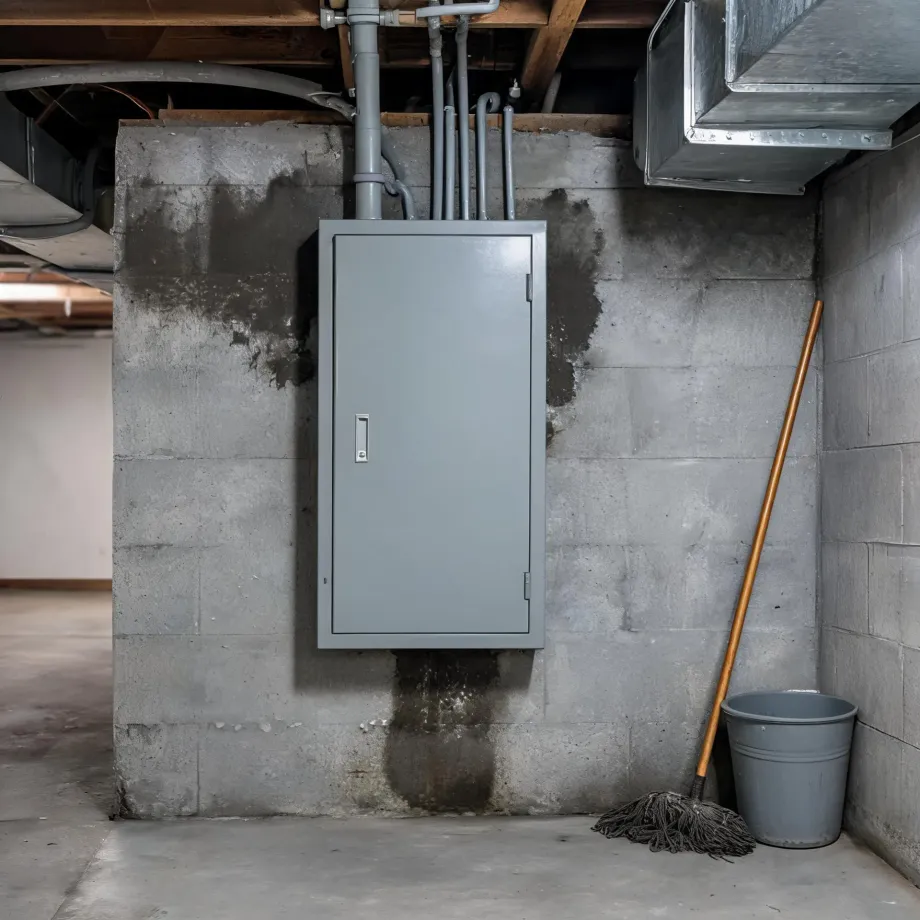
Ductwork laid out for an older heating system and electrical panels sized for lighter loads are what a contractor walks into on a large share of boiler installations in this county. Half the homes in Wallowa County, Oregon were built in 1973 or earlier (2020-2024 ACS 5-year). A house wired when that was new was not built to carry what a modern boiler and its controls draw, and a contractor has to open the panel and run the numbers before a quote can mean anything. If the service is undersized, that work comes before the boiler itself.
What a Boiler Installation Puts in Your Home
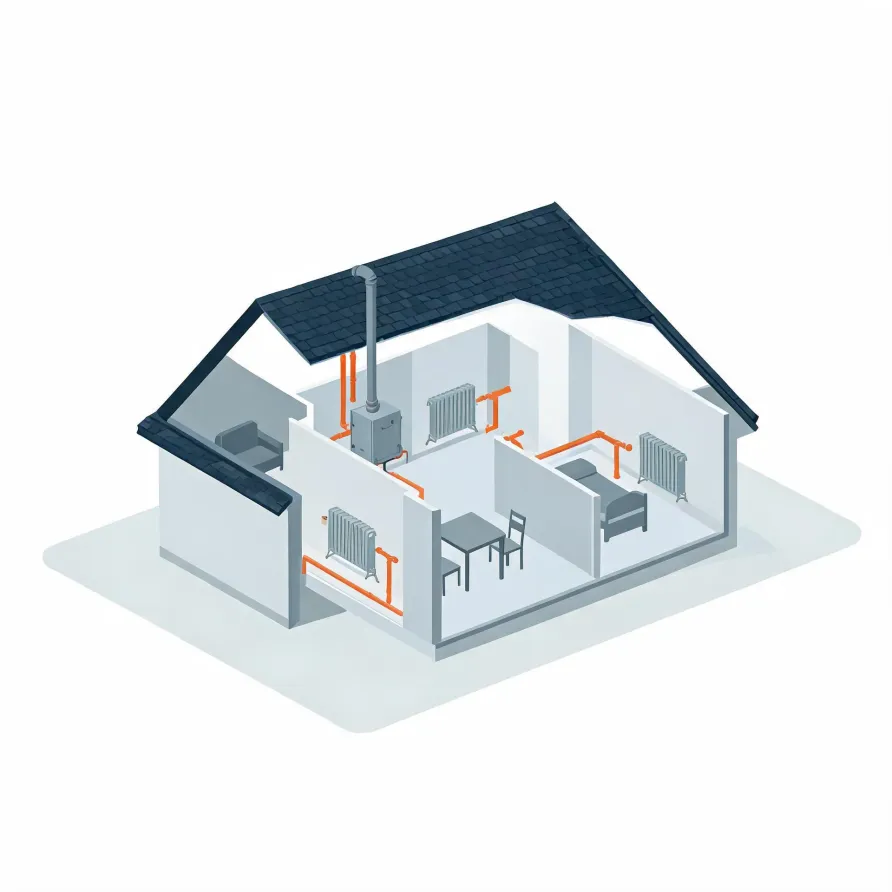
The boiler itself sits in a mechanical room, basement, or utility closet and is the unit that heats water for the whole system. Wall-mounted or floor-standing depending on the house, it connects to a flue that runs to an exterior wall or up through the roof to exhaust combustion gases outside.
From the boiler, supply and return pipes run through the house to the heat emitters, which are either radiators standing against walls in each room or radiant tubing laid beneath the floor. An expansion tank, typically mounted near the boiler, absorbs pressure changes as the water heats and cools. A circulator pump, also close to the boiler, moves the heated water through those pipes and back again.
The drawing shows a general layout of these components, and a licensed contractor determines exactly how each one applies to this house.
Get matched in Wallowa CountyWallowa County, by the numbers
85 severe weather events were recorded in Wallowa County, Oregon between 2015 and 2024.
NOAA National Centers for Environmental Information, Storm Events Database, bulk CSV export, events 2015-01-01 through 2024-12-31.Half the homes in Wallowa County, Oregon were built in 1973 or earlier (2020-2024 ACS 5-year).
U.S. Census Bureau, 2020-2024 American Community Survey 5-Year EstimatesWallowa County, Oregon holds 4,349 housing units (2020-2024 ACS 5-year).
U.S. Census Bureau, 2020-2024 American Community Survey 5-Year EstimatesOwners occupy 72.5% of the occupied homes in Wallowa County, Oregon (2020-2024 ACS 5-year).
U.S. Census Bureau, 2020-2024 American Community Survey 5-Year EstimatesBoiler Installation Rules on the Books for Wallowa County, Oregon2 codes, standards, and statutes
Licensing and Legal Requirements in Wallowa County, Oregon
Oregon’s contractor licence does not reach casual, minor or inconsequential work on one structure where the person’s contracts total less than $1,000 — and the exemption is unavailable to anyone who advertises or signs themselves as a contractor, at any price.
Oregon requires a current Construction Contractors Board licence, with the right endorsement, to undertake, offer to undertake or bid construction work.
Severe Weather Events in Wallowa County
Wallowa County's climate puts real demands on heating equipment, and those demands are tied directly to local conditions. A boiler sized and installed for what this area actually experiences will hold up differently than one spec'd to a regional average.
85 severe weather events, 2015–2024. Source: NOAA National Centers for Environmental Information, Storm Events Database.