 Find a pro near me
Why your boiler is leaking water in Oregon
Tell a local repair pro what your boiler is doing.
Water around the base of your boiler, or dripping from a pipe joint, means something inside has already failed or is about to. It is not something to watch for a few days. A boiler that is leaking will keep leaking, and the water can reach the electrical components or the controls underneath it.
Most homes in Oregon heat with electricity, and a boiler is usually at the center of that system. When it is down, there is no quick backup plan, especially once the weather turns and you are relying on it every day.
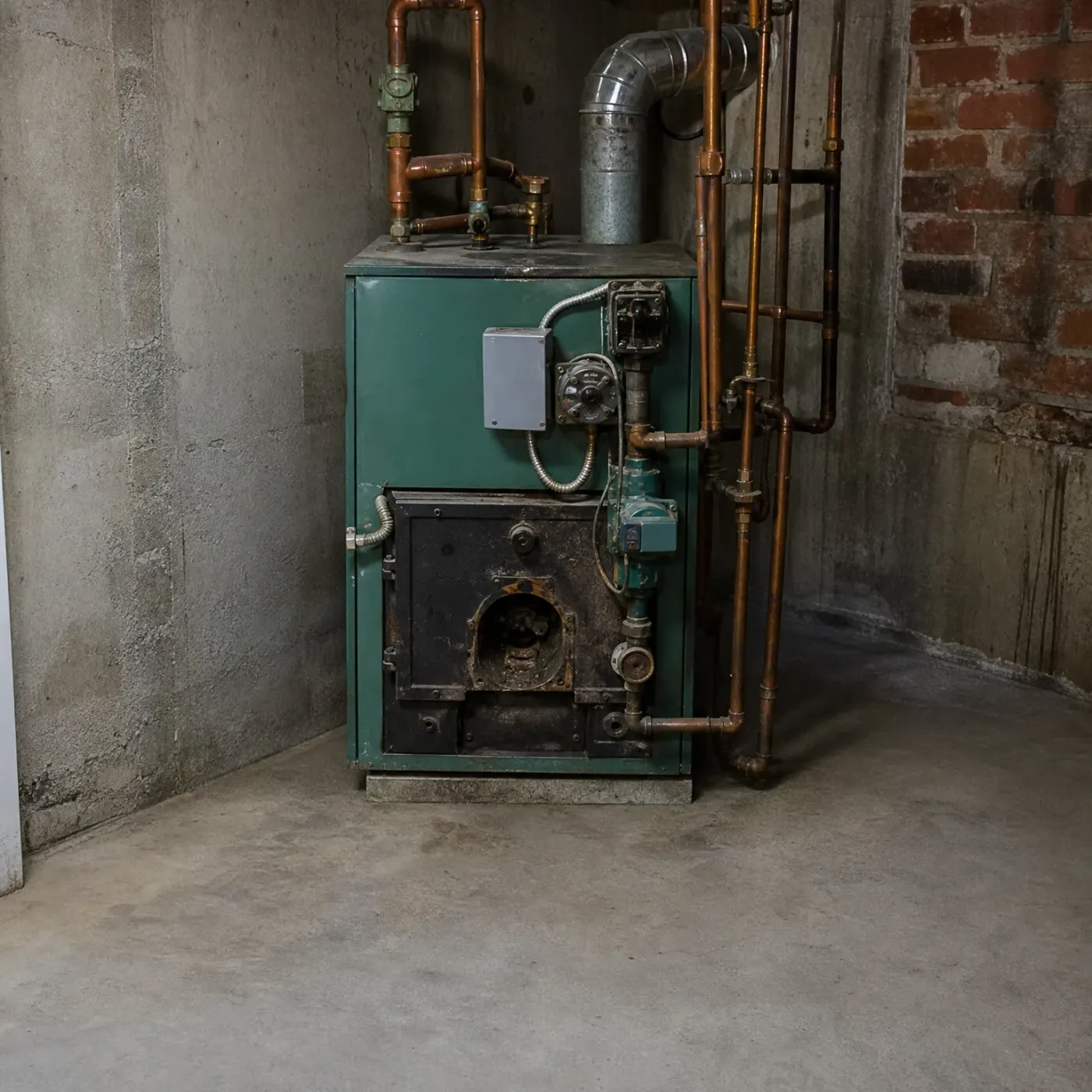
The leak itself can come from a few places. A pressure relief valve lets go when pressure inside the system builds too high. A corroded fitting or a cracked seal around a pump will seep slowly, sometimes for a while before you notice. A crack in the heat exchanger itself is more serious, and water there often means the unit is near the end of its working life. Which one you have determines whether this is a small repair or a bigger decision.
This isn't something to diagnose by guesswork. A boiler holds pressurized, heated water, and opening it up without knowing the system is how small problems turn into bigger ones.
What helps here is working with someone who already knows this equipment, not someone learning it on your system. A contractor who services boilers in Oregon year after year has seen this particular failure many times, on the same makes and models common in homes here, and knows what usually causes it before taking anything apart.
When you request service through this page, you are matched with one licensed local contractor suited to your situation, not a list of them competing for your call. That contractor reaches out to you directly. From there, the next step is getting eyes on the actual leak and finding out what it will take to stop it.
A leaking boiler usually comes down to a handful of causes. The pressure relief valve opens when pressure inside the system builds past its limit, and it will keep dripping until something lowers that pressure. A cracked heat exchanger lets water escape as it expands with heat, and that crack only gets worse. Loose pipe fittings or a worn pump seal let water seep out slowly, sometimes just a damp patch you notice before it's a puddle. Corrosion inside an older tank can open a pinhole that no tightening will fix. Since most homes in Oregon heat with electricity, a leaking boiler is often an older system or one added for specific rooms, and a leak there still needs attention before it reaches the wiring or controls nearby. Catching it now, while it is a drip and not a flood, is usually the difference between a repair and a full replacement.
Get the right pro for your boiler

Only one pro gets your request, so you hear from one company.
Asking costs nothing, and the choice to hire stays yours.
Most leaks start small, a damp spot on the floor or a slow drip from a fitting, and get written off as nothing urgent.
A boiler running on electricity still moves water under pressure through the same seals and valves, and a small leak near a wire or connection is how that problem turns electrical.




Pressure inside the system climbs past the valve's set limit.
The pressure relief valve opens and water escapes to relieve it.
Water tracks along the valve's discharge pipe toward the floor.
A loose fitting or failing seal lets water seep out steadily.
Why does my boiler only leak when the heat kicks on?
Water only shows up once the burner fires and the system starts moving hot water through the loop. It's gone again once things cool down, so it's easy to tell yourself the boiler is fine between cycles. But a leak that only appears under heat is telling you something specific about what's failing, not just that something is.
Heat makes the water expand, and that's when a weak spot gives way
Cold water in the system takes up less space than hot water. When the boiler fires, the water heats and expands, and pressure inside the system rises with it. A seal, gasket or fitting that's holding fine at rest can start weeping once that pressure climbs, then stop dripping as the system cools and pressure drops back down. The same goes for a heat exchanger with a small crack, it won't show water until the metal around it expands with heat. If the leak shows up every time the heat runs, the failing part is being pushed past what it can hold under pressure, not just sitting somewhere worn out.
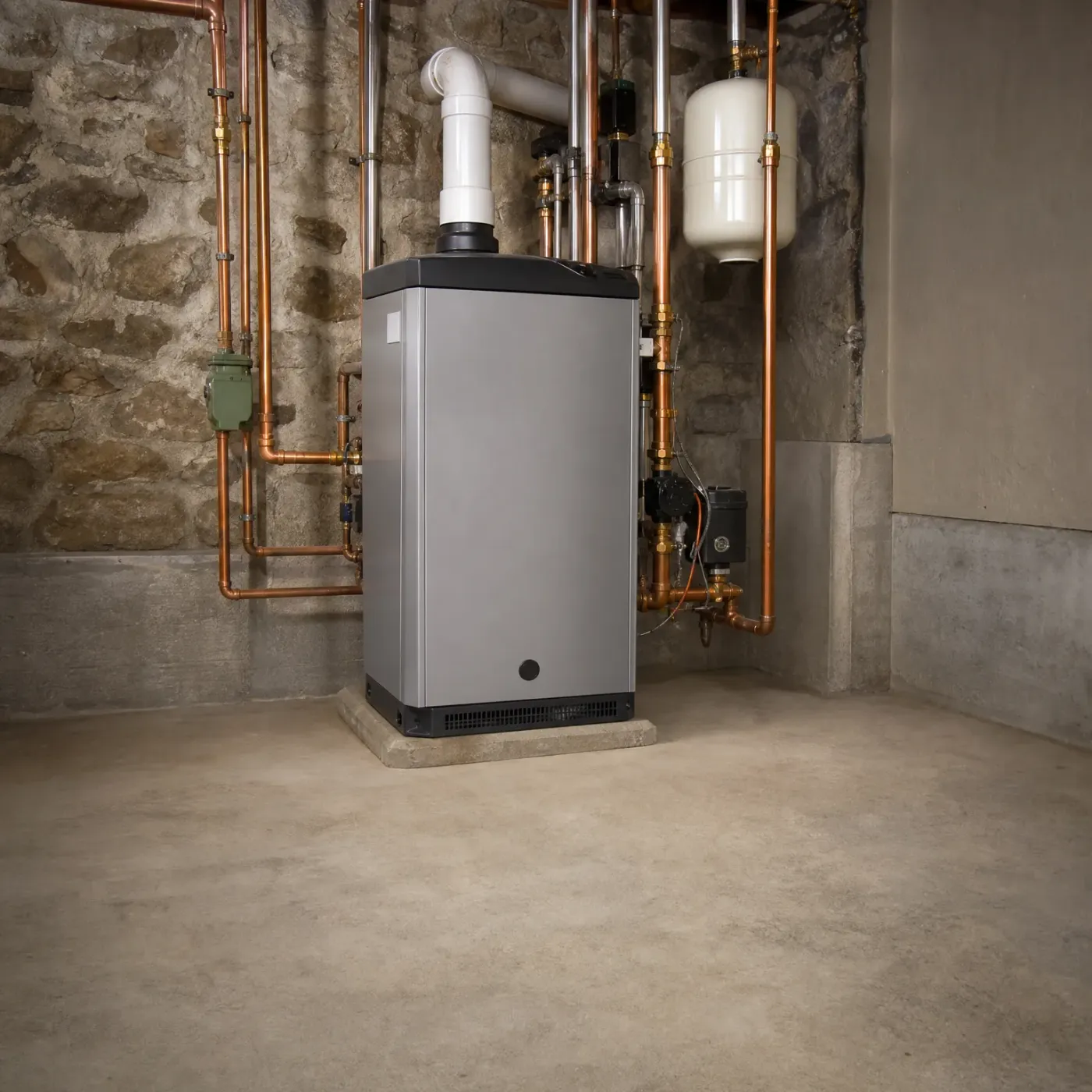
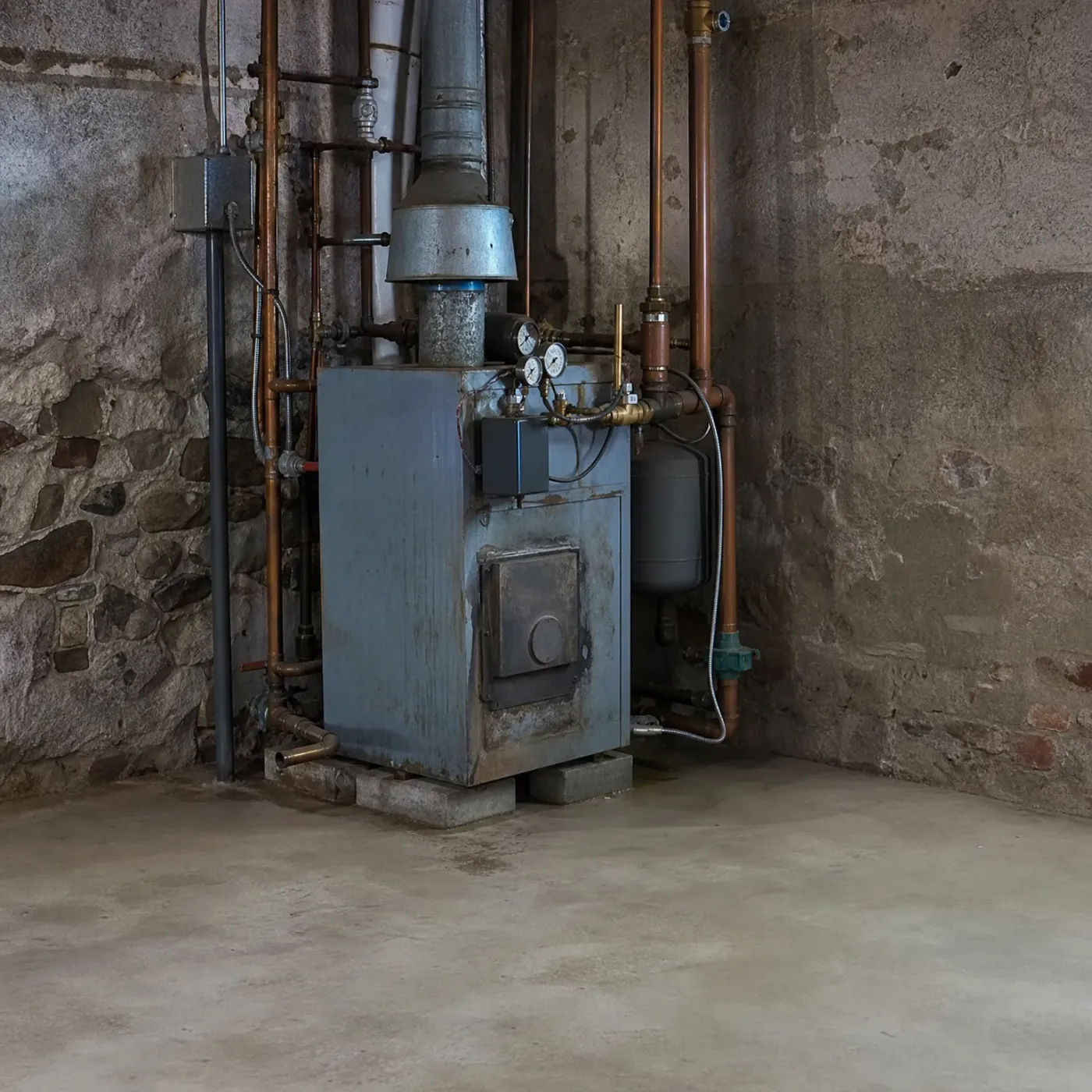
Winter nights average 32°F statewide
Nights here average 32°F through December, January and February, right at freezing. That's enough cold for your boiler to run long stretches to keep the house warm, and a leak that only seeps a little in October can turn into a steady drip once it's working that hard every night.
NOAA nClimDiv 1991-2020 county normals weighted by homes



A leak doesn't fix itself
A dripping valve or a seeping fitting has a specific cause, and that cause gets worse the longer the boiler keeps running. Catching it now, while it's still a damp spot instead of standing water, is what keeps a repair small.
Boilers vary enough in how they're piped and controlled that the fix depends on the unit in front of it. A contractor who services boilers in Oregon regularly has likely seen your model's valve or exchanger fail before and knows what to check first. Once you request service, you're matched with one licensed local contractor who reaches out to you directly, not a handful of companies competing for the job.

A pro who works on boilers
Your request stays with one local pro.