

Why your boiler makes a banging noise in Oregon
Tell a local repair pro what your boiler is doing.
Get matchedWhy does my boiler make a banging noise?
Banging from a boiler usually comes on when the heat kicks in and it can sound bad enough that you shut the system off to check if something is wrong. With electric heat common in most homes here, a boiler is already the exception in the house, so a new noise from it stands out even more. You want to know if this is something that damages the unit or just an annoying sound.
It's usually kettling, water hitting a buildup of scale or sludge in the heat exchanger
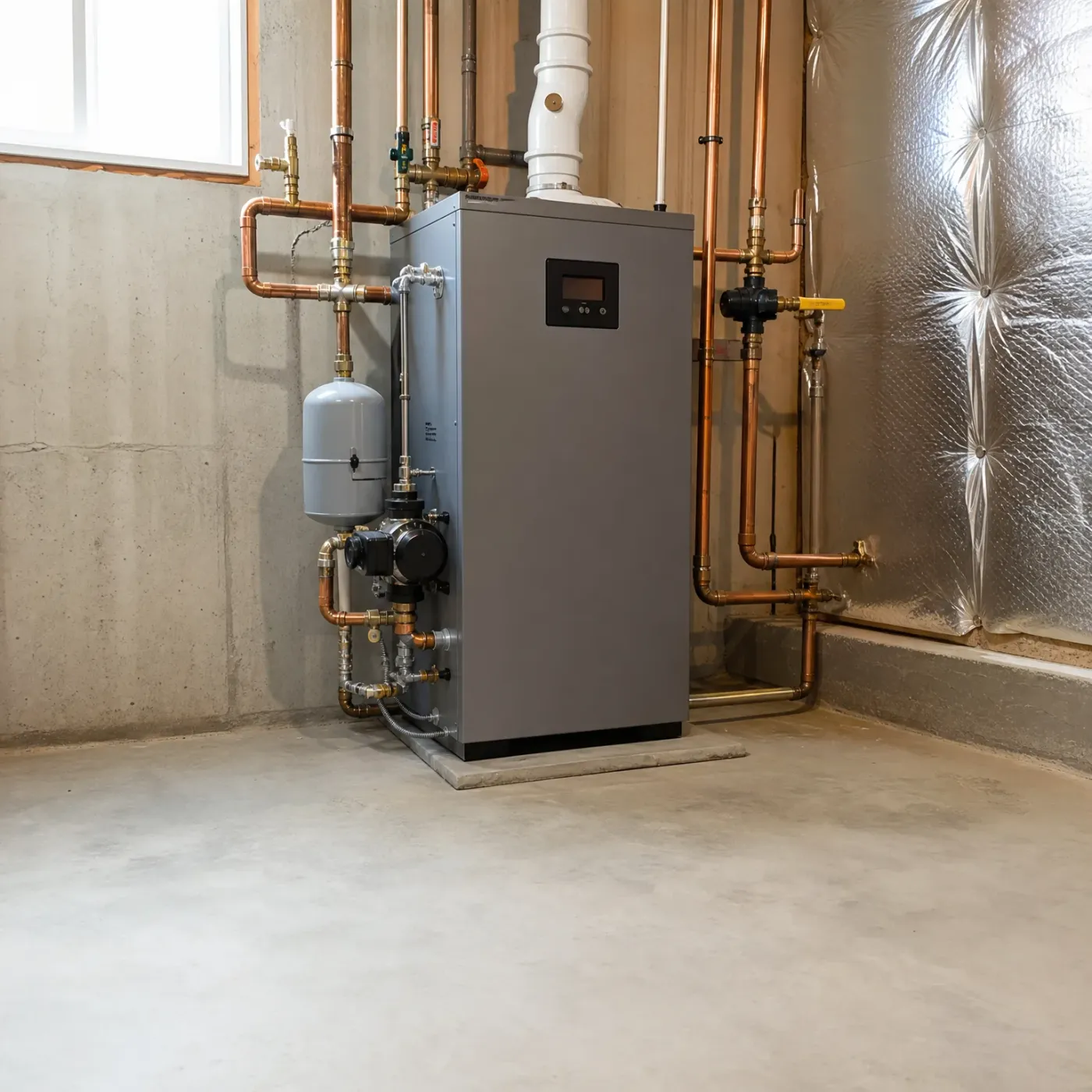
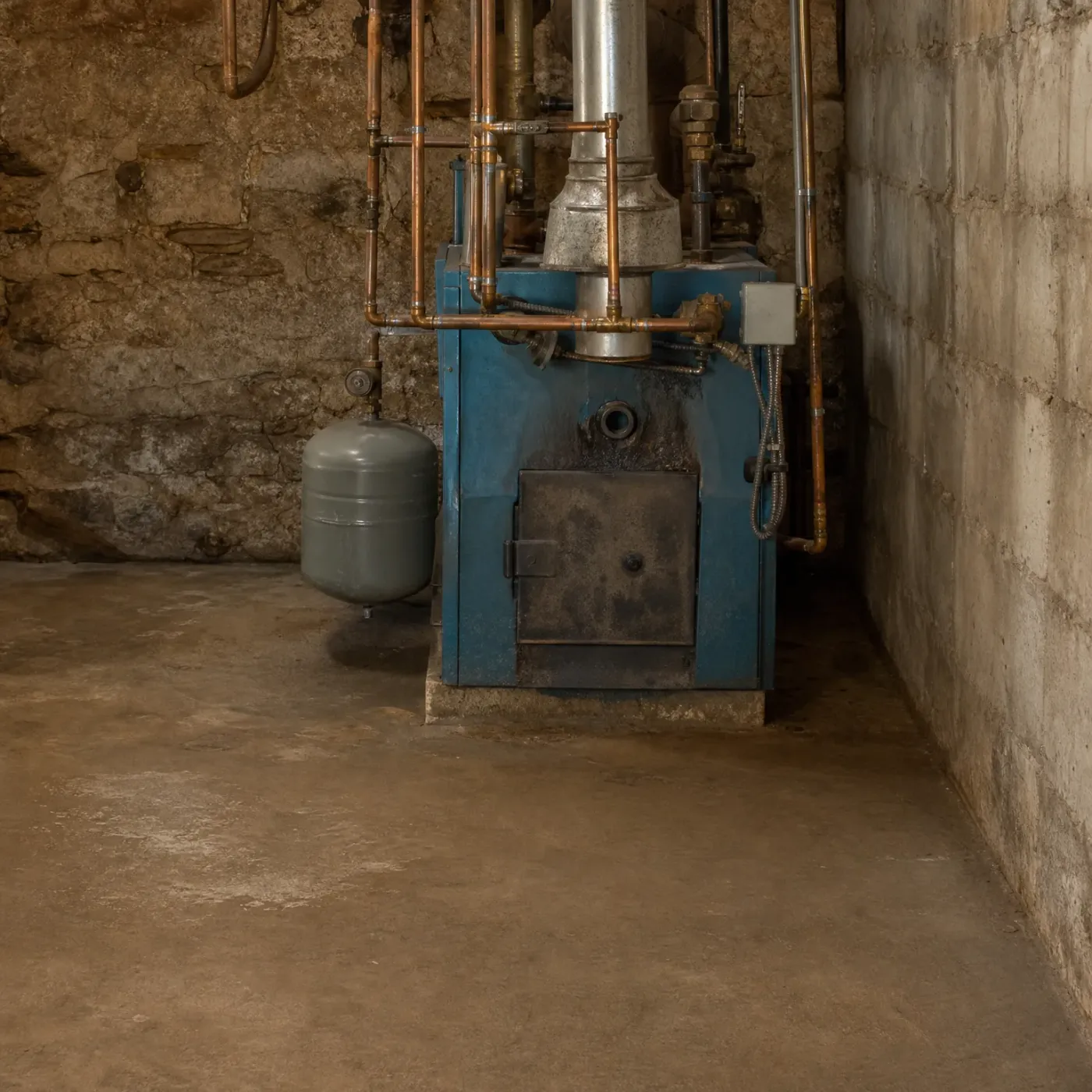
The banging, sometimes called kettling, happens when water trapped under a layer of mineral scale or sludge in the heat exchanger flashes to steam and collapses again. Each collapse makes that knocking sound. It can also come from trapped air in the pipes, which moves and hits bends as the system heats up. Neither one fixes itself. Scale builds up slowly over years and gets worse the longer the boiler runs with it, so the noise tends to show up more as the system gets older. It won't always get louder right away, but the heat exchanger is working harder to pass heat through that buildup, and that's what leads to cracks and leaks down the road if it sits unaddressed.
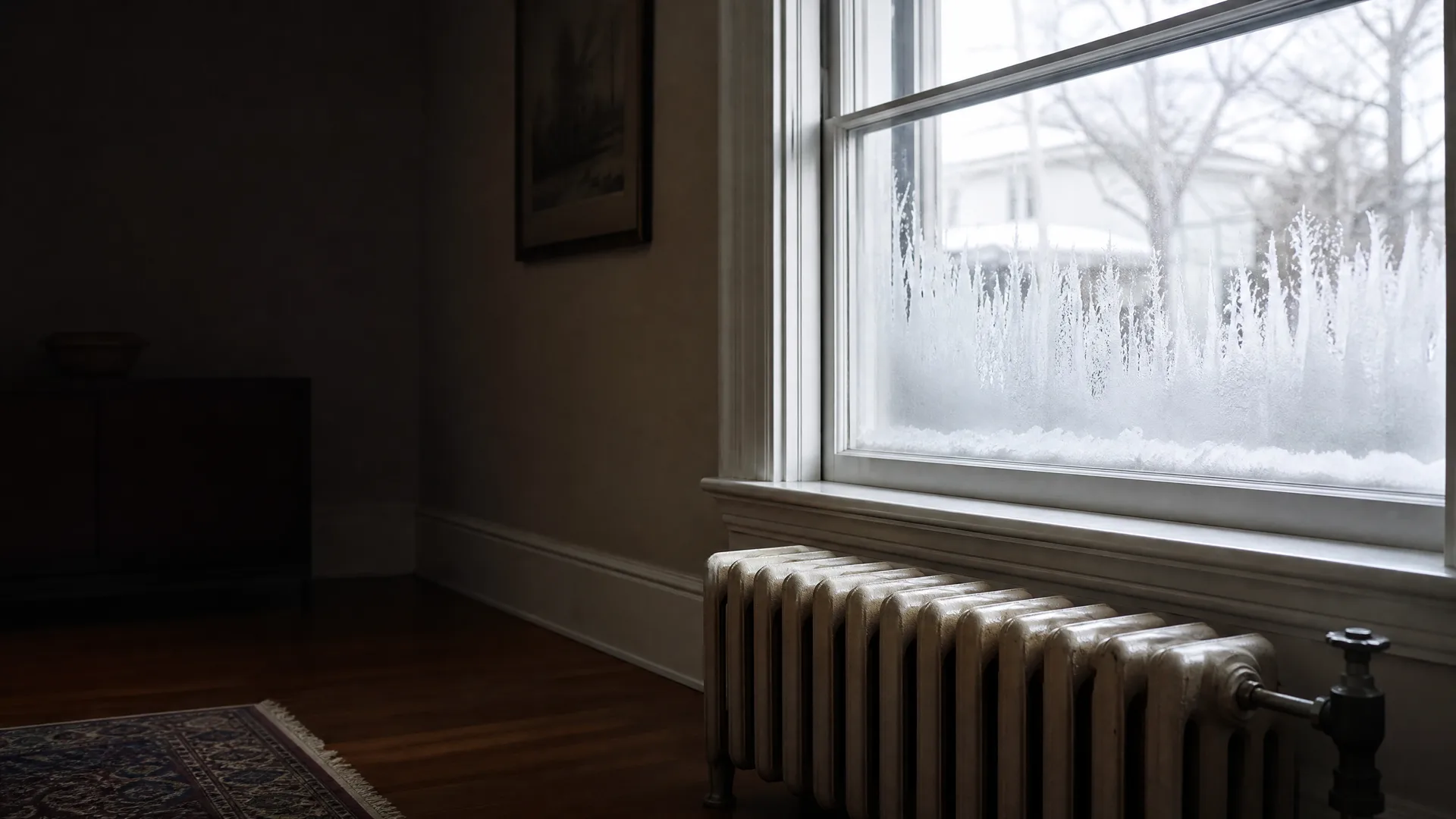
You're up before the rest of the house, and the radiator under the living room window is already banging away, three or four hard knocks in a row. The window glass has iced over on the inside, that's how cold it got overnight. You stand there in the doorway waiting for the noise to settle before you go check on everyone else, because you'd rather deal with it now than have it wake the kids. The cast iron ticks once more, then goes quiet, and the room starts to warm. You're still listening for it to start up again.
Is the banging a sign something's wrong
You notice it most on the coldest mornings, when the boiler is working hardest. A knock or two when the system starts, then a run of sharp bangs that seem to come from the pipe under the floor or the radiator itself. Sometimes it settles down after a few minutes. Sometimes it keeps up the whole time the heat runs, and you find yourself turning the thermostat down just to make it stop. Left alone, the banging doesn't damage much on its own, but it's often a sign of trapped air or scale buildup, and that makes the boiler work harder to put out the same heat. On a cold night with everyone home, that's the system you're counting on.




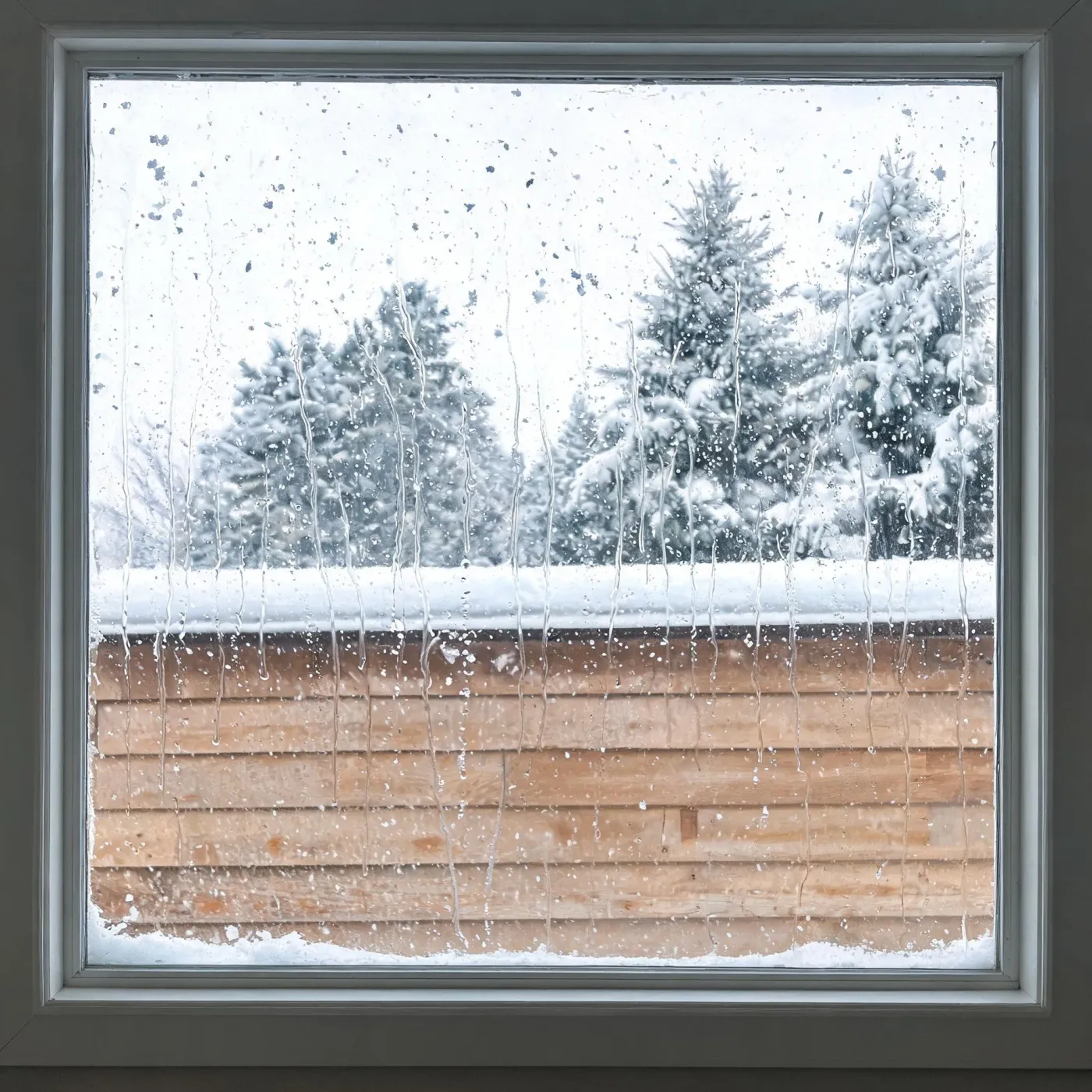
Winter nights average 32°F statewide, cold enough that your boiler is firing through most of the night to keep the radiators warm, not just kicking on for a short stretch at bedtime. That long a run gives trapped air or a weak spot in old piping more chances to knock before the house warms up. A night near freezing is also when water in the system cools fastest between cycles, so the pipes contract and expand more as the boiler responds, and that's often when the banging gets loud enough to notice from another room. If it's happening most nights and not easing off, it's worth having someone look at the system rather than waiting out the winter with it. Getting matched with a contractor who knows boilers like yours means you skip the part where you call around and explain the noise to three different people before anyone shows up. Source: NOAA.
NOAA nClimDiv 1991-2020 county normals weighted by homes
Get your boiler to the right pro
You've probably already checked the obvious things, maybe bled a radiator yourself or looked up the make of the boiler to see if anyone else has the same complaint. None of that tells you whether the noise is a quick fix or a sign the heat exchanger or a section of old piping is on its way out, and that's the part that matters before you spend money on it. Finding someone to look at it properly usually means searching around, calling a few places, explaining the banging and when it happens each time you call, then waiting on quotes to see who actually knows this kind of boiler. With power here priced about average, you're not heating with electricity like most of the state, so a contractor who actually works on boilers matters more, not less. Handing this off now means someone who works on these systems gets the details once and reaches out to you directly, while the banging keeps happening every cold morning you wait.
Trapped air finds a way out
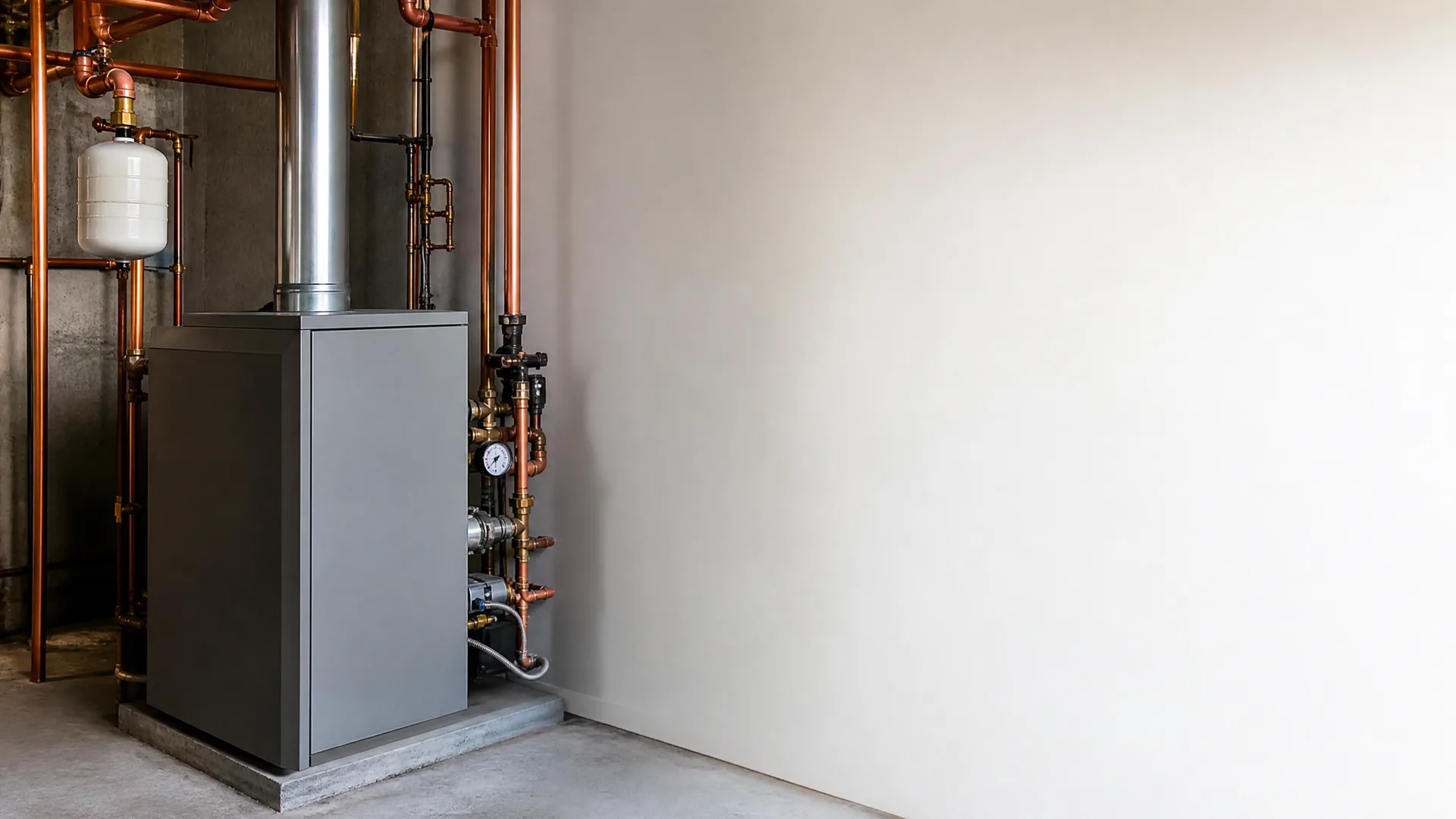
Water moving through the boiler and pipes carries air bubbles along with it. When those bubbles reach a high point, like a radiator or a bend in the line, they collect until the water pressure forces them through. Each time that happens you get a knock. Bleeding the radiators lets that trapped air escape on purpose, through the little valve, instead of working its way loose on its own at two in the morning.
Scale builds up where heat is highest
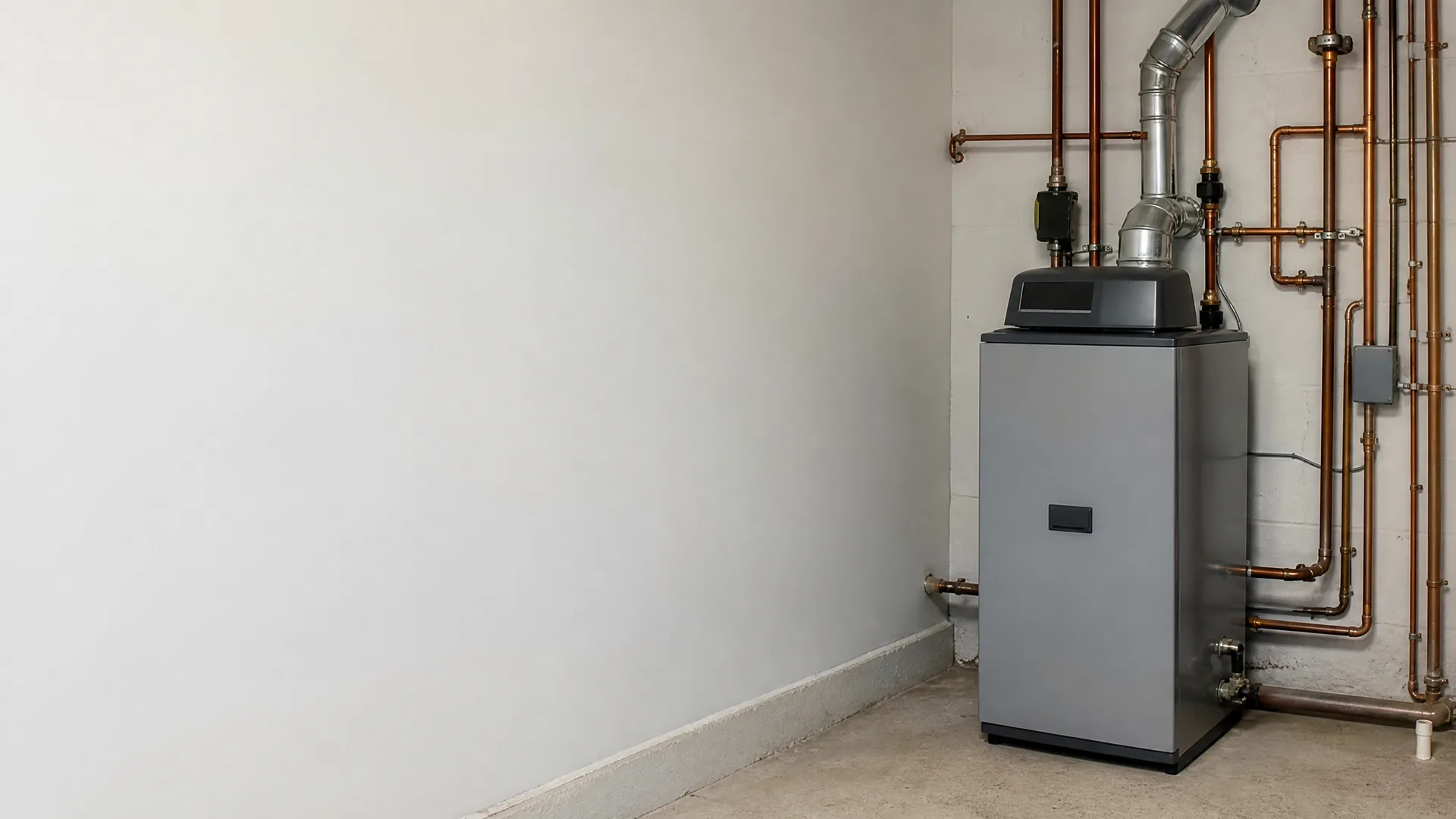
Mineral deposits settle inside an older boiler wherever the water gets hottest, usually right at the heat exchanger. That layer of scale makes the water underneath it boil into steam pockets even though the rest of the system is well below boiling. Those pockets collapse fast, and the sound travels through the pipes to every radiator in the house. The longer the scale sits, the rougher the surface gets, and the more places the noise has to start from.
Wait It Out or Get It Checked
Leave it alone
- The banging might be nothing more than trapped air working its way through, and it can stop on its own once the water finds a path out.
- Bleeding the radiators yourself sometimes quiets the noise for weeks before it starts again.
- If the boiler is heating every room fine and the pressure gauge reads normal, the noise alone doesn't prove damage.
- Waiting costs you nothing upfront, but a cold morning with the system down gives you no warning before it happens.
- If the cause is corrosion or a cracked section inside an old cast-iron boiler, the knocking usually gets worse over the winter, not better.
- A boiler that's banging hard enough to wake the house is already working harder than it should to keep the radiators warm.
Get it looked at
- A contractor can tell within a visit whether it's air in the lines or something failing inside the boiler itself.
- Finding that out yourself means calling around, describing the noise to a few different companies, and comparing what each one tells you.
- A repair now, while the boiler is still heating the house, is a different job than one made after a breakdown on a cold night.
- You stop guessing whether the banging is a quick fix or the start of a bigger problem with the heat exchanger or old piping.
- Once you're matched with a contractor, you explain the noise once and they follow up with you directly.
- A known cause means you're not relying on whether this winter happens to be milder than the last.

Water sits cold in the boiler and pipes overnight.
The burner fires and heats the water fast.
Steam pockets form where water boils against hot metal.
A steam pocket collapses when it hits cooler water.

What the banging costs you at home
The banging usually happens at night, which means it wakes whoever sleeps closest to that radiator. In a house with kids or an older parent, that's the room you end up checking on at 2 a.m. because the noise is loud enough to sound like something broke. You turn the heat down to make it stop, and then the room doesn't hold warm through the morning.
Left alone, trapped air or a corroded spot in an old boiler does its damage slowly, not all at once, so there's no single night where you know for sure it's serious. That's the hard part. You're left guessing whether to call around for quotes, explain the noise to three different companies, and compare what each one tells you, or just live with it another winter. Getting matched with a contractor who already knows boilers like yours skips that guessing. They call you, you describe what you're hearing, and you find out if it's worth worrying about.

Winter nights average 32°F statewide
At 32°F overnight, water sitting in the pipes gets cold enough to make a sharp temperature jump every time the burner fires. That swing is what drives the banging, so a mild night with a warmer low usually means a quieter boiler.
NOAA nClimDiv 1991-2020 county normals weighted by homes
The banging means trapped air or an old boiler struggling against cold water on a cold night, and either way it's worth having someone look before a bad knock turns into a cracked fitting or a dead heat exchanger. You already know what the noise means for your house: a kid who can't sleep through it, a parent you end up checking on, a radiator you've learned to avoid bleeding yourself because it never really fixes it. What you don't have to do is spend an evening calling around to find out who even works on boilers anymore, explaining the same three or four bangs to each one, then sitting with quotes that don't match up. That part ends when you ask for help here. A contractor who knows these boilers gets your situation and reaches out, so the next conversation you have about the noise is with someone who can actually do something about it.
The right pro for this job