Tell us about the job
Takes about a minute. No obligation.
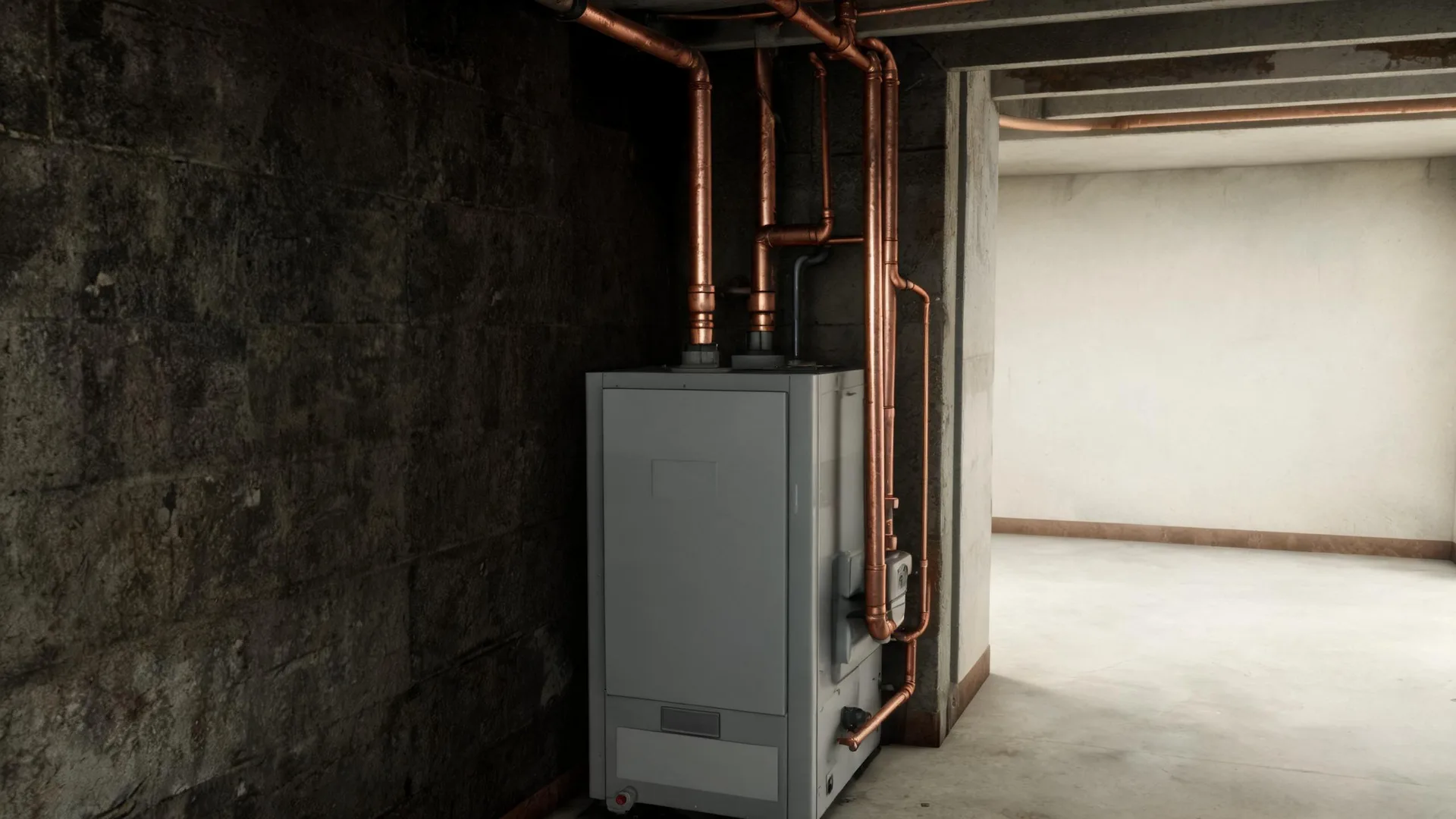
A boiler carrying the load this county asks of it cycles its burner, heat exchanger, and ignition system hard enough that the parts most likely to fail are the ones that have been working longest without rest. Homes in Deschutes County, OR run heat about ten months a year, from September through June. By the time a homeowner calls for repair, the ignition assembly and heat exchanger have logged a history that shapes what a contractor finds and what they quote. Corrosion, stress fractures, and seal degradation in a boiler this active are not incidental findings. They are the starting point.
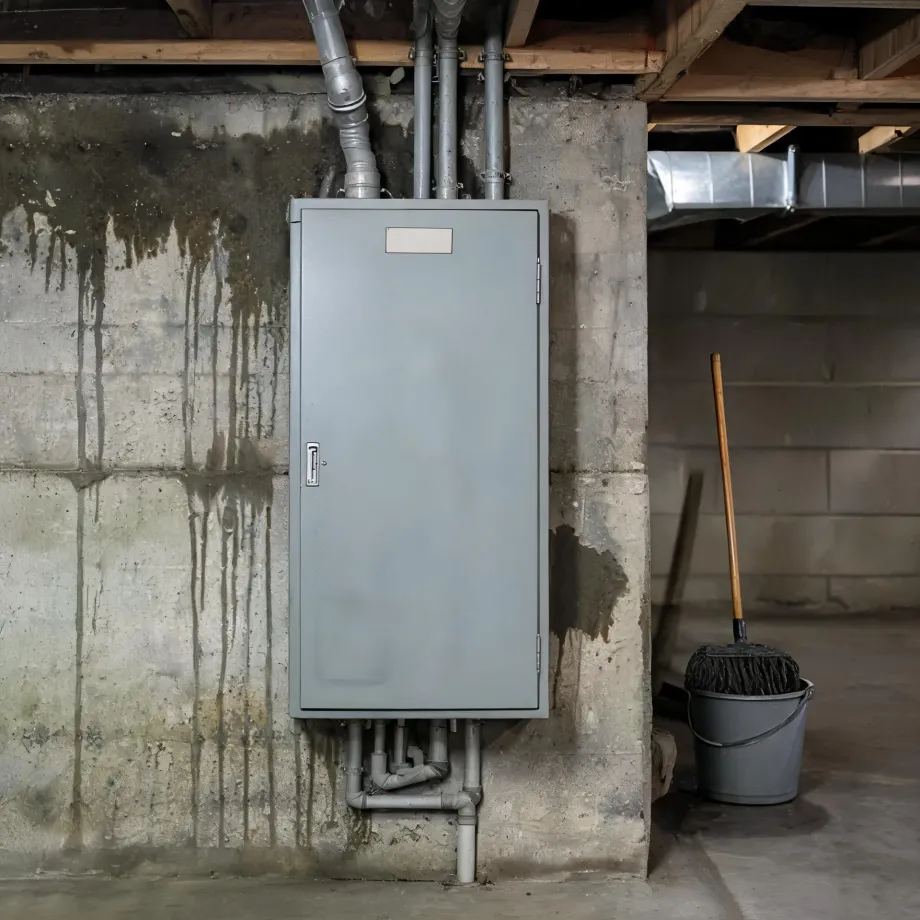
Boilers in housing stock this old sit at an awkward point in the parts supply chain. Half the homes in Deschutes County, Oregon were built in 1998 or earlier (2020-2024 ACS 5-year). A unit that has been running since the house was new may carry components that current distributors stock only intermittently, or have stopped carrying altogether. When a contractor opens the system, what matters is whether the failed part has a current equivalent or requires sourcing from a shrinking secondary market. That answer shapes both the repair timeline and whether a repair is the right path at all.
The Parts of a Boiler a Contractor Checks First
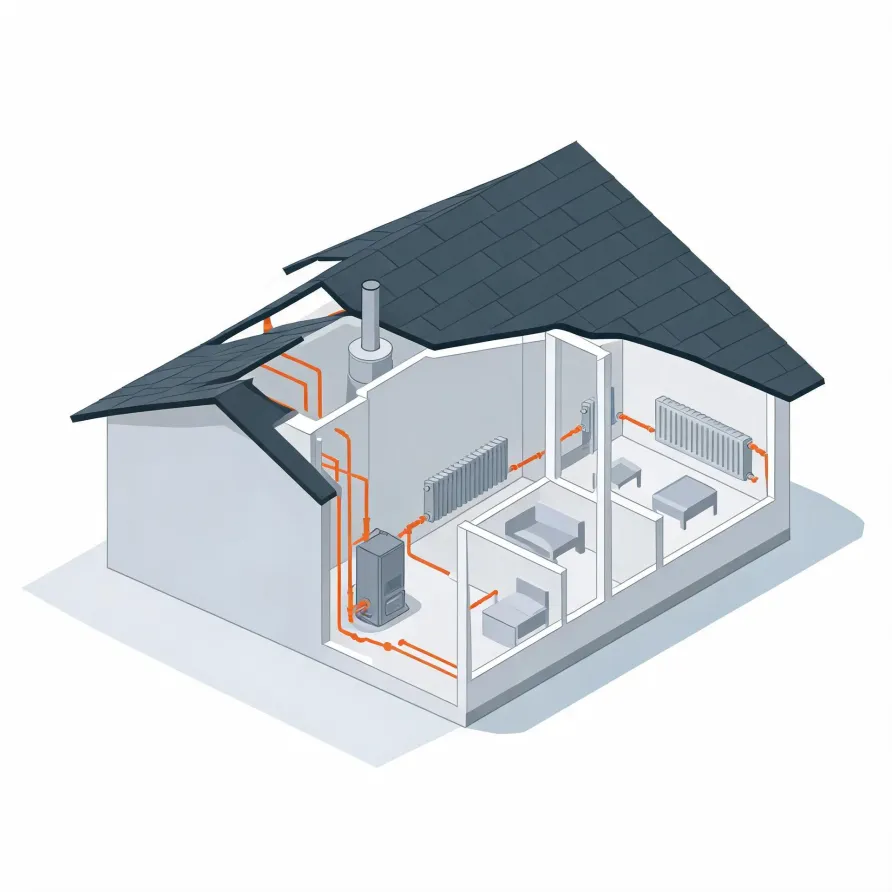
The boiler itself is the heart of the system, sitting in a utility room, basement, or mechanical closet. It heats water and pushes it out to the rest of the house. When a home loses heat or the system behaves erratically, the boiler's burner, heat exchanger, and pressure vessel are where a contractor starts.
From the boiler, supply pipes carry hot water to radiators or radiant panels in each room, and return pipes bring the cooled water back. The circulator pump, mounted on or near the boiler, moves water through that loop. The expansion tank, pressure relief valve, and aquastat also sit close to the boiler, and each one is a likely stop when something is off.
The drawing shows a typical layout, and a licensed contractor determines which components apply to your specific system and what work each one needs.
Get matched in Deschutes CountyDeschutes County, by the numbers
135 severe weather events were recorded in Deschutes County, Oregon between 2015 and 2024.
NOAA National Centers for Environmental Information, Storm Events Database, bulk CSV export, events 2015-01-01 through 2024-12-31.Half the homes in Deschutes County, Oregon were built in 1998 or earlier (2020-2024 ACS 5-year).
U.S. Census Bureau, 2020-2024 American Community Survey 5-Year EstimatesDeschutes County, Oregon holds 99,297 housing units (2020-2024 ACS 5-year).
U.S. Census Bureau, 2020-2024 American Community Survey 5-Year EstimatesOwners occupy 70.0% of the occupied homes in Deschutes County, Oregon (2020-2024 ACS 5-year).
U.S. Census Bureau, 2020-2024 American Community Survey 5-Year EstimatesCodes & Standards Governing Boiler and HVAC Repair in Deschutes County, Oregon2 sourced rules and standards
Licensing and Legal Requirements in Deschutes County, Oregon
Oregon’s contractor licence does not reach casual, minor or inconsequential work on one structure where the person’s contracts total less than $1,000 — and the exemption is unavailable to anyone who advertises or signs themselves as a contractor, at any price.
Oregon requires a current Construction Contractors Board licence, with the right endorsement, to undertake, offer to undertake or bid construction work.
Severe Weather Events in Deschutes County
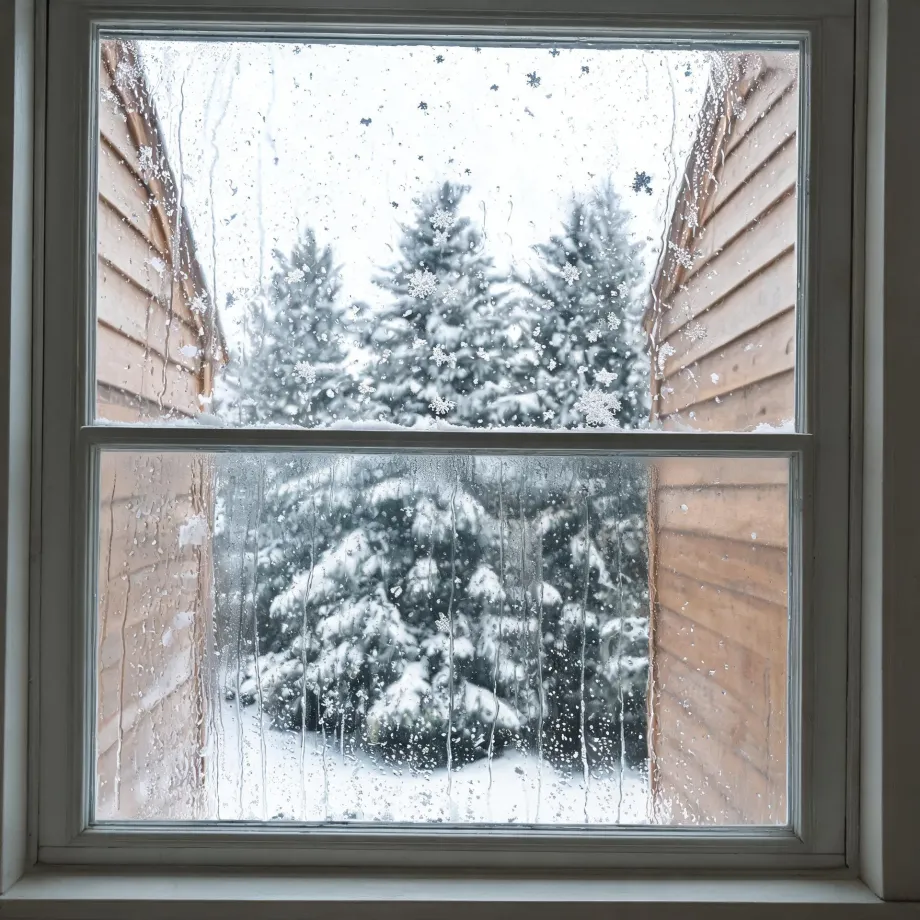
Hard weather puts stress on boiler systems: pressure swings, sustained cold, and power interruptions all push equipment toward failure. How often conditions like that arrive in Deschutes County shapes how much repair demand local boilers actually face.
135 severe weather events, 2015–2024. Source: NOAA National Centers for Environmental Information, Storm Events Database.